

Pathway lights are outdoor lighting fixtures designed to illuminate garden walkways and borders — they create safe, navigable routes while adding ambiance to your outdoor space. These lights serve multiple purposes beyond safety, including enhancing your garden's aesthetic appeal and extending the usability of your outdoor area into the evening hours. Pathway lights come in various styles, power sources, and brightness levels, each offering different benefits for transforming a garden into an inviting retreat. Understanding the different types available and how to strategically place them can help create a festive atmosphere that complements your home's outdoor design.
Why Garden Lights?
Garden lights offer more than just aesthetic value. They also provide practical benefits like increased safety, security, and visibility. Well-lit paths and outdoor areas can prevent accidents and deter potential intruders, while also enhancing the beauty of your garden by highlighting its best features. From illuminating trees and plants to creating cozy, ambient settings, garden lights allow you to make the most of your outdoor space, no matter the time of day.
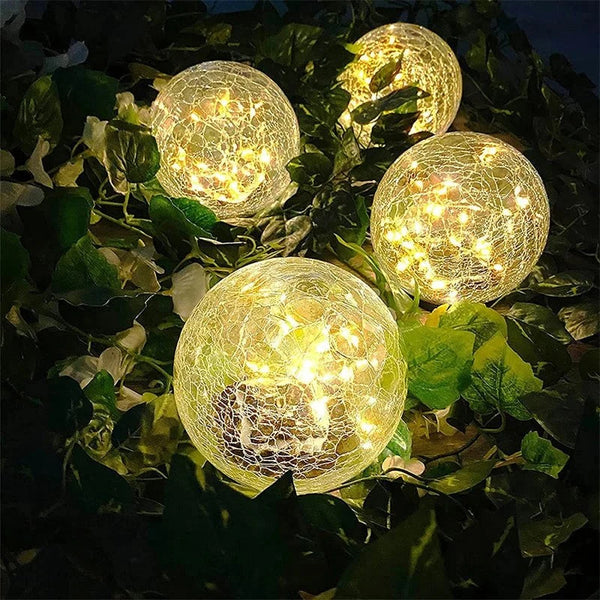
Types of Garden Lights
-
Pathway Lights Pathway lights are perfect for illuminating walkways, driveways, or garden paths. They provide gentle lighting that guides the way while adding an elegant touch to your landscaping. Solar-powered pathway lights are a great eco-friendly option that saves on electricity and can be easily installed without the need for wiring.
-
String Lights String lights are a versatile and charming option for outdoor lighting. Perfect for creating a warm and festive atmosphere, these lights can be draped along fences, pergolas, or trees to add a soft glow to your garden. For added functionality, opt for weatherproof or solar-powered string lights that can withstand the elements.
-
Spotlights If you want to highlight specific features of your garden—such as a large tree, a water fountain, or a sculpture—spotlights are the way to go. These powerful lights focus on specific areas, drawing attention to key elements in your garden design. Adjustable spotlights give you the flexibility to change the lighting angle as needed.
-
Lanterns Lanterns offer a blend of traditional and modern aesthetics and can be either electric or solar-powered. These lights create a cozy, vintage atmosphere and can be placed along walkways, around seating areas, or even hung from trees or pergolas. They are perfect for adding a decorative flair while providing soft, ambient lighting.
-
Floodlights Floodlights are ideal for larger gardens or areas where you need maximum illumination. These lights are more powerful than spotlights and can cover wider areas, making them great for backyard spaces, parking areas, or large landscapes. Motion-sensor floodlights also add an extra layer of security to your outdoor space.
-
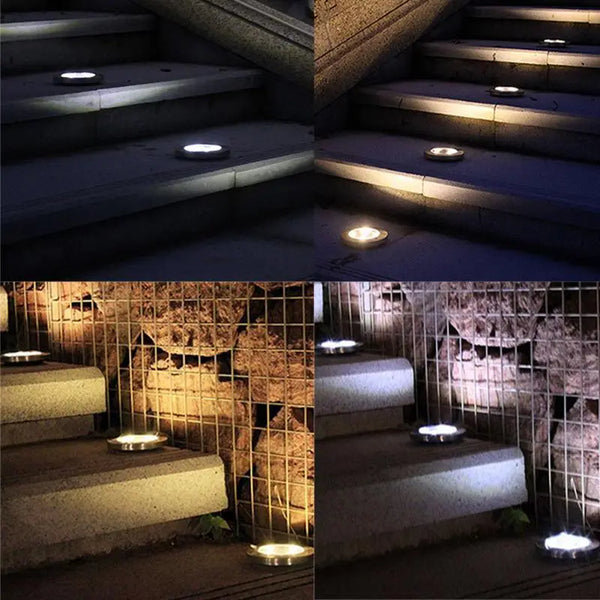
Deck and Step Lights Deck and step lights are a great way to light up stairs or deck areas, ensuring safety while also adding a modern and sleek look to your outdoor living space. These lights are often installed flush with the surface, providing subtle illumination without taking up too much visual space.
-
Garden Stake Lights Garden stake lights are easy to install and perfect for placing along garden borders, flower beds, or around trees. Many stake lights are solar-powered, making them both eco-friendly and cost-effective. They can add a whimsical touch to your garden with different shapes, colors, and designs.
Choosing the Right Garden Lights for Your Space
When selecting garden lights, consider the following factors:
-
Purpose: Think about what you want to achieve with your lighting. Do you want to light up pathways for safety? Highlight specific garden features? Or create a warm, inviting atmosphere for outdoor dining? Your purpose will guide your choice of lighting types.
-
Power Source: Garden lights come in various power options, including solar-powered, battery-operated, and electric. Solar lights are a popular choice due to their energy efficiency and ease of installation, but electric lights are more reliable if you need consistent illumination, especially in areas with limited sunlight.
-
Style and Aesthetic: Consider the overall look you want to achieve in your garden. Are you going for a modern, sleek design, or do you prefer a more rustic, vintage feel? Choose lights that complement your garden's aesthetic while serving your lighting needs.
-
Weather Resistance: Since garden lights will be exposed to the elements, make sure they are designed to withstand outdoor conditions such as rain, wind, and extreme temperatures. Look for weatherproof or waterproof ratings when choosing your lights.
Creative Ideas for Garden Lighting
-
Create Zones: Use different types of lights to create zones within your garden. For example, use soft, ambient lighting for dining areas, brighter lights for pathways, and accent lights to highlight trees or water features. This adds depth and dimension to your outdoor space.
-
Illuminate Trees and Plants: Shine spotlights or uplights on trees and tall plants to create dramatic shadows and focal points. You can also wrap string lights around branches for a more whimsical, enchanted look.
-
Highlight Water Features: If your garden has a fountain, pond, or pool, lighting these features can enhance their beauty at night. Use underwater or floating lights to create a serene, reflective glow.
-
Outdoor Entertaining: If you frequently host gatherings in your garden, consider adding dimmable lights to control the ambiance. String lights, lanterns, and deck lights can create a welcoming, festive atmosphere for guests.
Garden lights are the perfect way to bring your outdoor space to life after dark. Whether you’re creating a peaceful retreat for yourself or a vibrant space for entertaining, the right garden lighting can enhance the beauty and functionality of your space. By choosing the right type of lights and being mindful of placement and style, you can make your garden glow in the best possible way. So, get creative and start illuminating your garden today!
📚 Sources & Further Reading
- RHS — Royal Horticultural Society — Expert guidance on outdoor living spaces and garden furniture care
- Which? Magazine — Independent UK reviews of garden furniture and patio sets
- British Standards Institution (BSI) — EN 581 standard for outdoor furniture: strength and safety
- Gardeners' World Magazine — BBC outdoor living and garden design advice
Content reviewed by the Orniture Editorial Team. About our editorial standards →
Frequently Asked Questions
What are the best pathway lights for gardens?
Solar-powered pathway lights are the best choice for most gardens because they're energy-efficient, easy to install, and require no wiring. LED pathway lights offer superior brightness and longevity, while stake lights and bollard lights provide versatility in style and placement depending on your garden's design aesthetic.
How far apart should pathway lights be spaced?
Pathway lights should be spaced 4-6 feet apart to create a safe, well-lit walkway without excessive brightness. This spacing ensures adequate illumination for navigation while maintaining an even, festive glow throughout your garden.
Do solar pathway lights work in winter or cloudy weather?
Solar pathway lights work in winter and cloudy weather, but with reduced brightness and shorter operation times due to less sunlight exposure. High-quality solar lights with larger panels and battery capacity perform better in low-light conditions, while wired electric lights are more reliable for consistent year-round use.
How do pathway lights improve garden safety?
Pathway lights illuminate walkways and borders, preventing trips, falls, and accidents by clearly marking the route through your garden at night. They also increase visibility around garden features like steps, ponds, and plant beds, making your outdoor space safer for family and guests.


